Address
304 North Cardinal St.
Dorchester Center, MA 02124
Work Hours
Monday to Friday: 7AM - 7PM
Weekend: 10AM - 5PM

Address
304 North Cardinal St.
Dorchester Center, MA 02124
Work Hours
Monday to Friday: 7AM - 7PM
Weekend: 10AM - 5PM
Surface treatment is the treatment or modification of plastic injection molded parts after molding to enhance their aesthetics, functionality or performance. Yifeng can provide the following treatment processes.
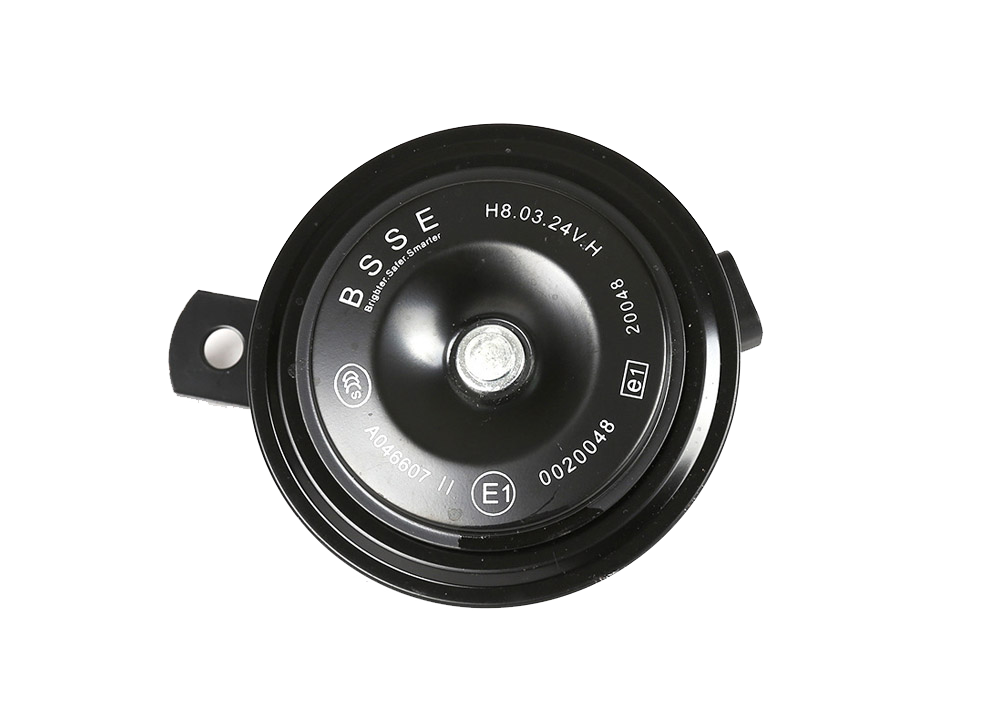
Silk screening, also known as screen printing or serigraphy, is a post-processing technique used to add high-quality graphics or text to plastic parts. Silk screening is commonly used to create nameplates, labels, and decorative elements for various applications. It is an effective way to enhance the aesthetics and functionality of injection-molded plastic parts.
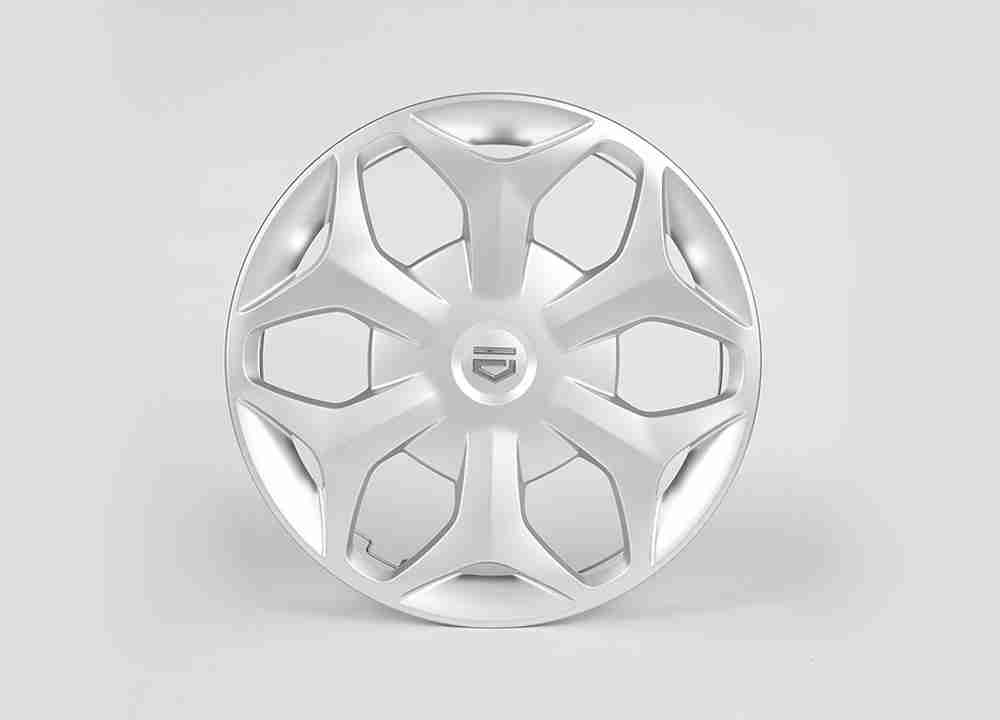
Pre-treatment: Injection molded parts are usually molded by injection molding process, and the mold is coated with a layer of mold release agent, which can significantly affect the adhesion of the coating and easily cause defects such as paint shrinkage. Therefore, the crucial pre-treatment must be carried out to remove the mold release agent. Pre-treatment methods, including the water washing, organic solvent, and snow treatment methods, are not just options but essential steps. The purpose is to adjust the tension of the plastic surface, improve the surface wetting properties, and complete the removal of oil and mold release agents. Internal Stress Relief: In the injection molding process of plastic products, internal stress is a common problem, which may lead to stress concentration and cracks during painting. Internal stress relief can be accomplished through annealing or finishing techniques. Annealing involves heating the plastic part below the heat deflection temperature and holding it, whereas full-face treatment uses a solution that removes internal stresses at room temperature. Surface cleaning: The surface of the plastic part can be contaminated with oils, sweat from hands, and mold-releasing agents, which can weaken the adhesion of the paint. Therefore, cleaning treatment must be carried out; the standard method is to use gasoline or alcohol cleaning, followed by chemical degreasing, to ensure that the lye residue on the surface of the workpiece is thoroughly cleaned and rinsed with pure water, and finally, air dry or dry. Dust removal: Since the plastic parts are insulators, their surface resistance is high. They are prone to generating static electricity and adsorbing tiny dust in the air. Using high-pressure ionized airflow to remove electricity and dust is more effective. Paint adhesion enhancement: Nylon, PP, and other plastic materials often lack adhesion between the substrate and paint due to their high surface crystallinity and low polarity, leading to paint fall problems. This can be solved by spraying a layer of adhesion promoter to change the molecular arrangement on the substrate’s surface and improve the dyne value, thus enhancing the adhesion. Spraying: Spraying uses compressed air flow through the spray gun spray paint to form a paint mist. Spray the body to the surface of the coated parts to create a uniform paint film. This method can produce a uniform paint film, coating delicate and smooth, suitable for the more hidden parts of the spray coating. Inspection: After spraying, inspection is required to ensure the quality of the coating. The inspection includes a film thickness test, adhesion test, water resistance test, color difference measurement, and appearance evaluation. Through the above steps, the quality and effectiveness of the painting process for injection-molded parts can be ensured to meet the needs of protection, decoration, and other special applications.
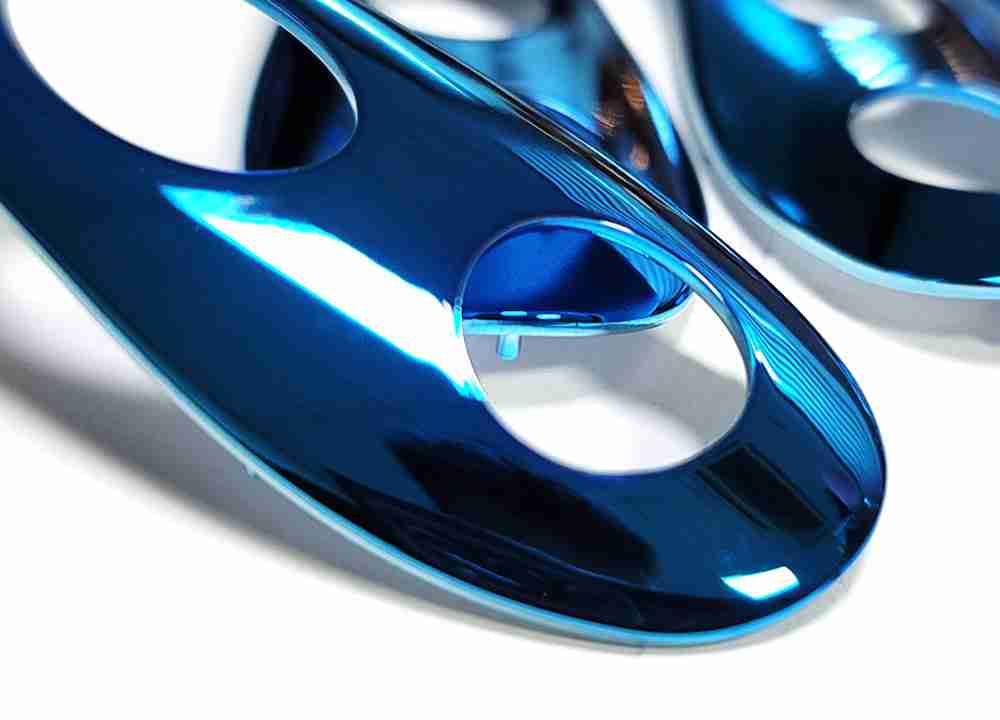
The plating process for injection-molded parts is a surface treatment technology designed to improve the appearance and functionality of injection-molded products. The process involves depositing one or more metallic or non-metallic films on the surface of the injection-molded part to enhance the product’s corrosion resistance, electrical conductivity, aesthetics, and more. The plating process is used in a wide range of applications, including internal shielding for plastic electronics and decorative plating for everyday items.
Our sales manager Jenny Chen is waiting! Click here to contact her instantly by WhatsApp!
You can also ask a question below and get a response within 24 hours